Gotokuji Temple is a quiet Buddhist temple in Setagaya, Tokyo.
It is widely known as one of the places linked to the origin of Maneki Neko, Japan’s lucky cat.
The temple sits in a calm residential area, away from busy tourist spots.
Many visitors come here not to rush, but to understand the story behind the lucky cat.
The Story Behind Gotokuji and Maneki Neko
The connection between Gotokuji and Maneki Neko comes from an Edo-period story.
It involves a feudal lord named Ii Naotaka.
While returning from falconry, he passed a small temple during bad weather.
He noticed a cat at the gate that looked as if it was calling him inside.
When he followed the cat, a sudden storm and lightning struck the place where he had stood before.
Because the cat guided him to safety, Ii Naotaka supported the temple and helped restore it.
This story later became the foundation of Maneki Neko belief.

Rows of Maneki Neko at the Temple
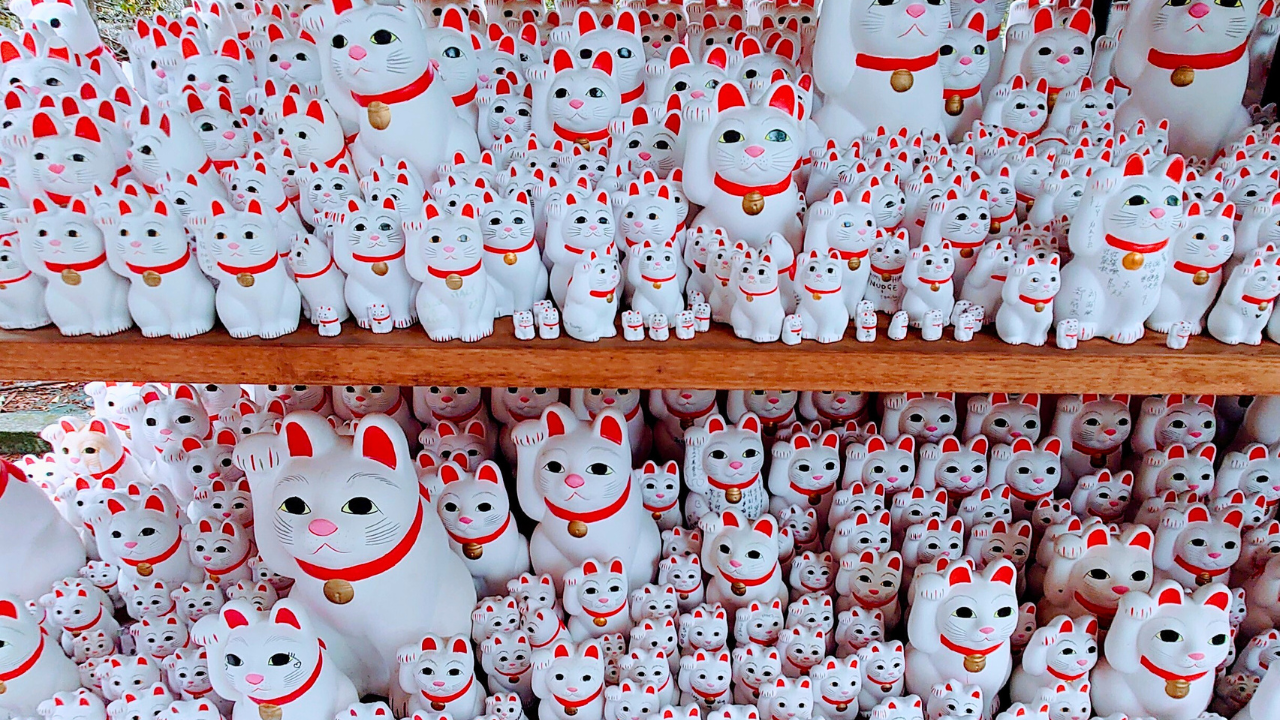
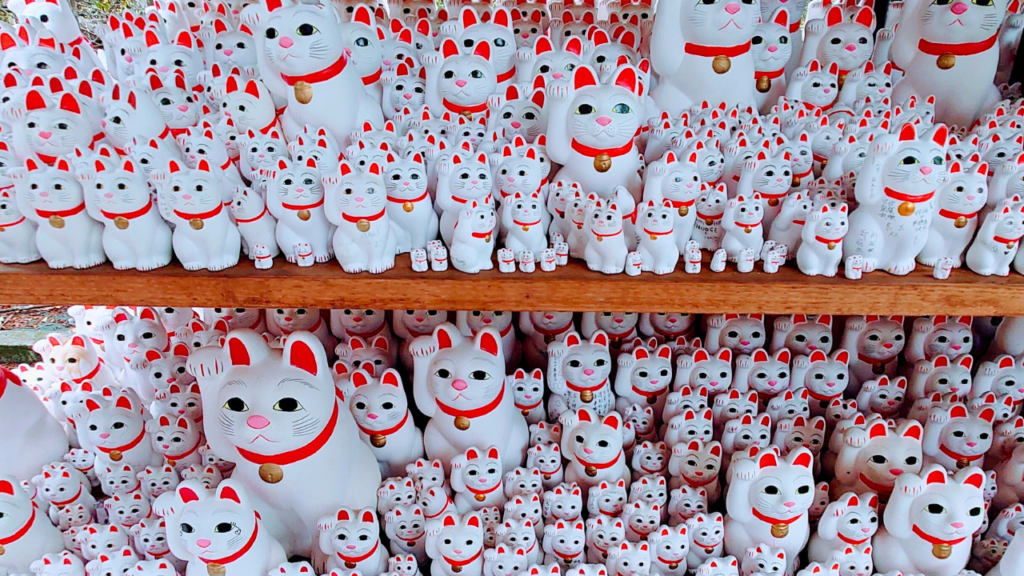
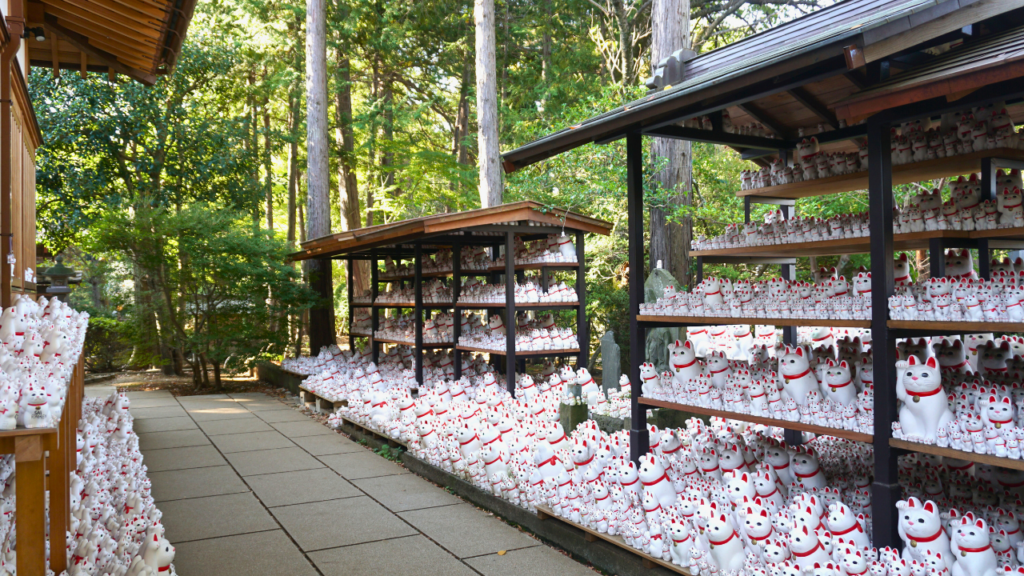
One of the most striking sights at Gotokuji is the long rows of white Maneki Neko statues.
They stand closely together near the Shofuku-den Hall.
People buy a Maneki Neko, make a wish, and take it home.
After the wish comes true, they return the cat to the temple as thanks.
The large number of statues shows how many wishes people believe have been fulfilled.
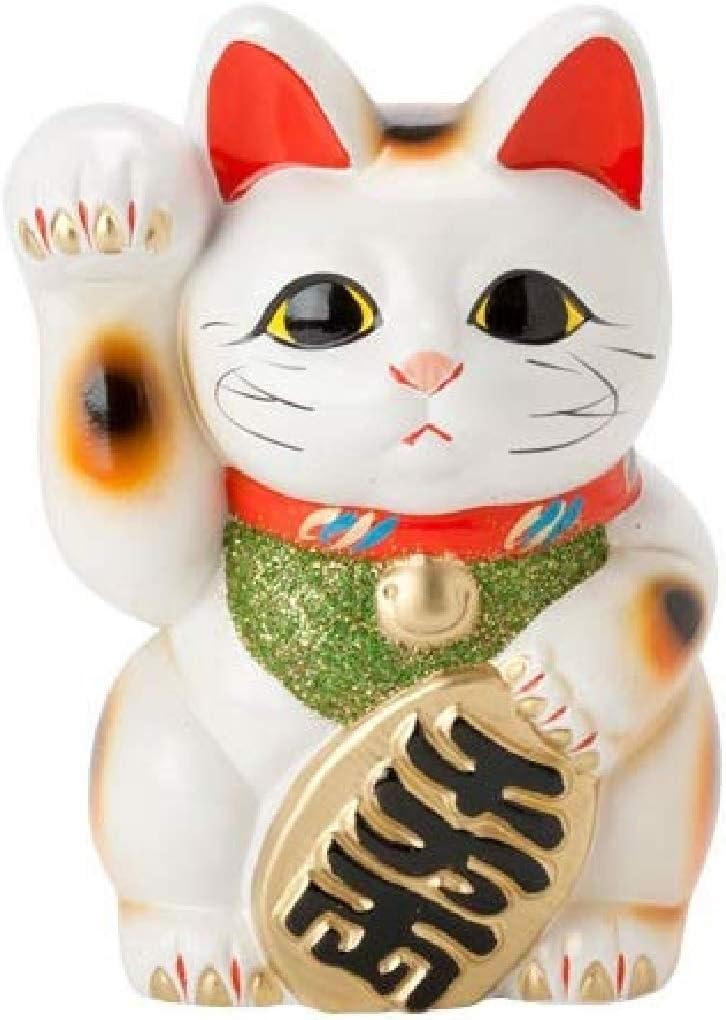
Unlike common Maneki Neko, these cats do not hold coins.
They raise the right paw gently, symbolizing opportunity rather than instant wealth.
A Calm Temple with Many Details
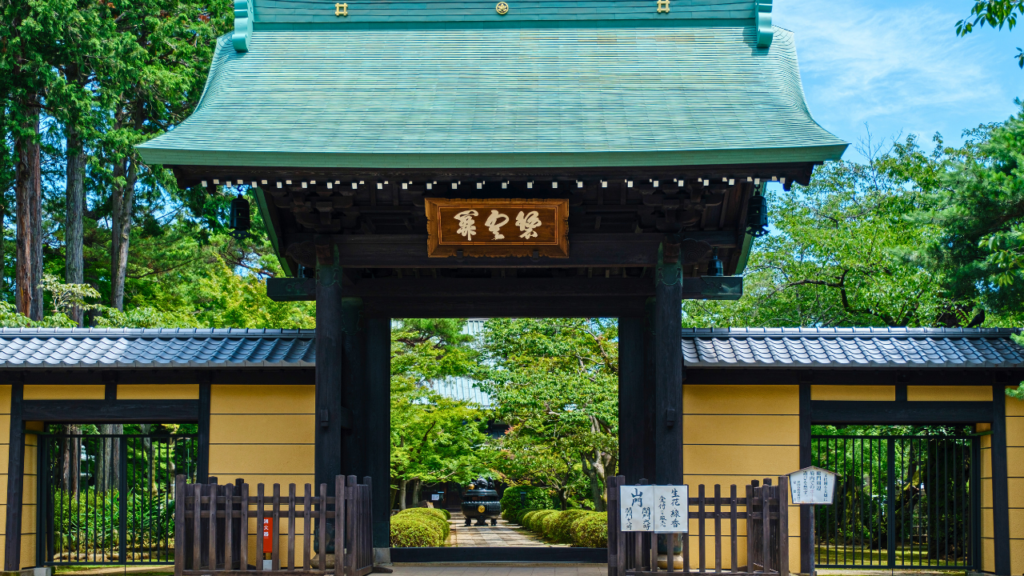
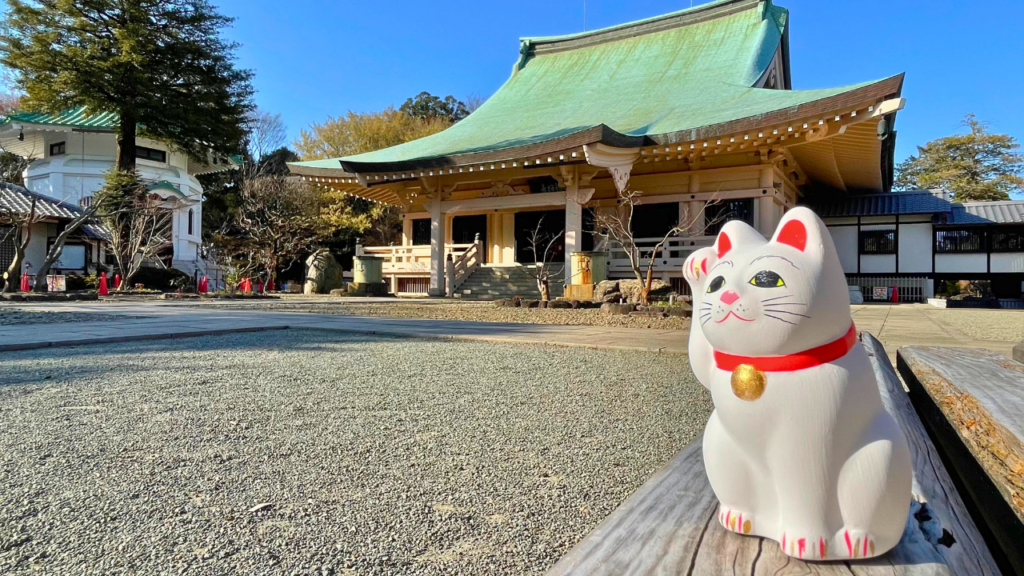
Gotokuji Temple has a wide and peaceful grounds.
Walking through it takes time, and the atmosphere stays quiet.
Inside the temple area, you can find:
- a Buddhist hall with seated statues
- the main hall
- a historic temple bell
- the graves of the Ii family, including Ii Naosuke
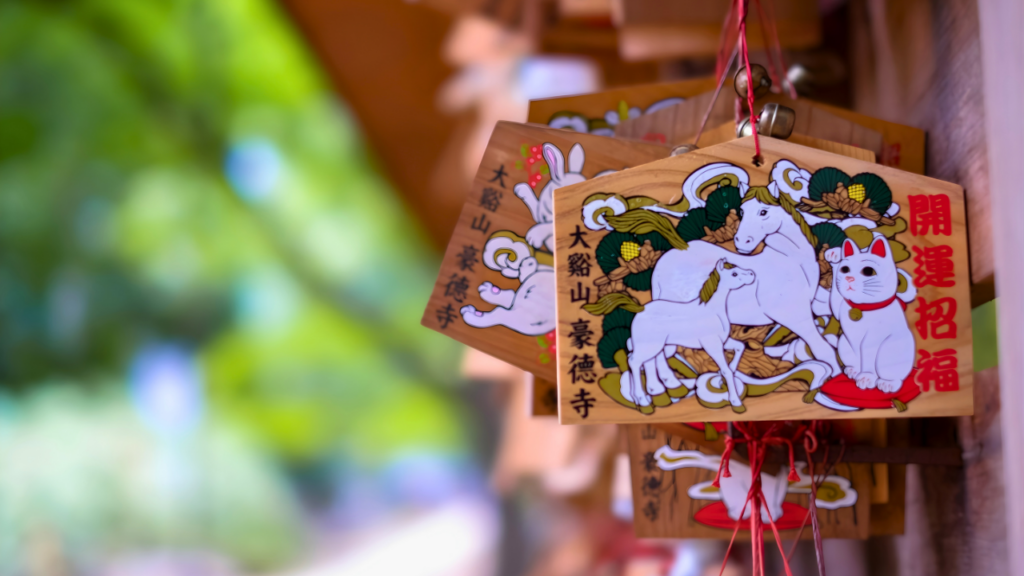
A three-story pagoda stands out in the distance.
Its zodiac carvings include a subtle cat figure, a small detail that fits the temple’s identity.
\ Visiting Gotokuji and cat spots in Tokyo?/
Check details and schedule
Access and the Surrounding Area
- About 10 minutes on foot from Odakyu Line “Gotokuji Station”
- About 5 minutes on foot from Tokyu Setagaya Line “Miyanosaka Station”
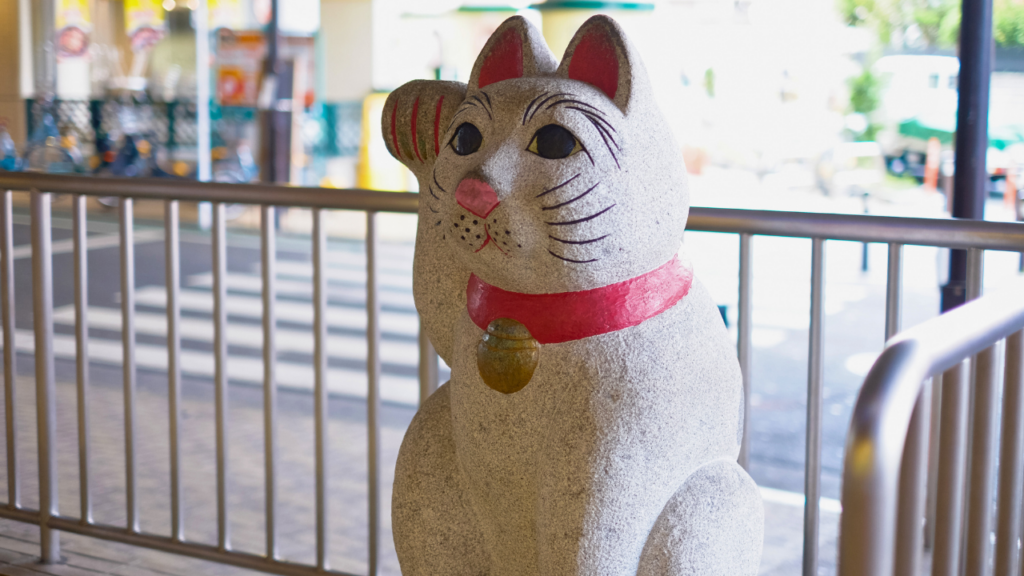
Along the way, small shops and signs often feature cats.
The neighborhood quietly reflects the Maneki Neko theme without feeling commercial.

Gotokuji Is a Place to Understand, Not Just to See
Gotokuji is not loud or flashy.
It is a place where the meaning of Maneki Neko becomes clearer through space and silence.
After learning about Maneki Neko, visiting Gotokuji adds depth to the story.
Each small statue feels less like decoration and more like a record of belief.
Yes, Gotokuji Temple is worth visiting if you want cultural context, not entertainment.
For example, the grounds felt quiet, therefore my body slowed down while walking.
Meanwhile, the space stayed calm, so I did not feel rushed or tired.
Gotokuji Temple is famous for its link to the origin of Maneki Neko.
For example, rows of white cat statues felt visually dense, therefore my eyes stayed focused.
Additionally, the area remained quiet, with almost no sudden noise.
Yes, entry to Gotokuji Temple is free during opening hours.
For example, I walked in without stopping, therefore my body felt relaxed instead of tense.
Meanwhile, the open space felt cool, even on a warm day.
People place cat statues here after their wishes come true.
For example, standing near them felt still, and the air felt calm rather than heavy.
Therefore, the space communicates belief through silence, not explanation.