
Nagasaki carries a history that still shapes the city today.
A visit to Nagasaki Peace Park and the Nagasaki Atomic Bomb Museum is less about sightseeing and more about reflection.
Both sites focus on August 9, 1945 — and on the message of peace that followed.
Nagasaki Peace Park
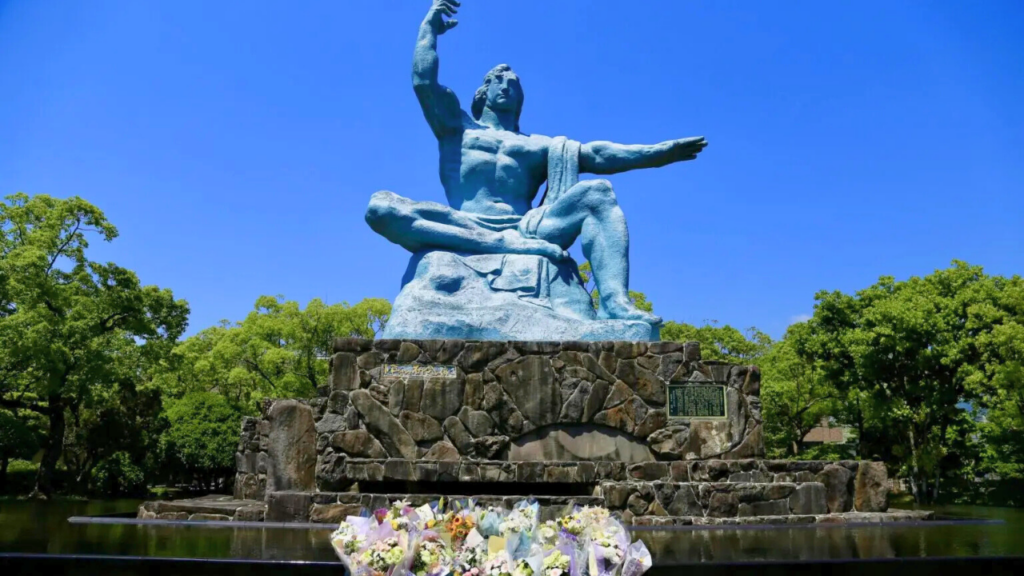
Established in 1955, the park honors the victims of the atomic bombing.
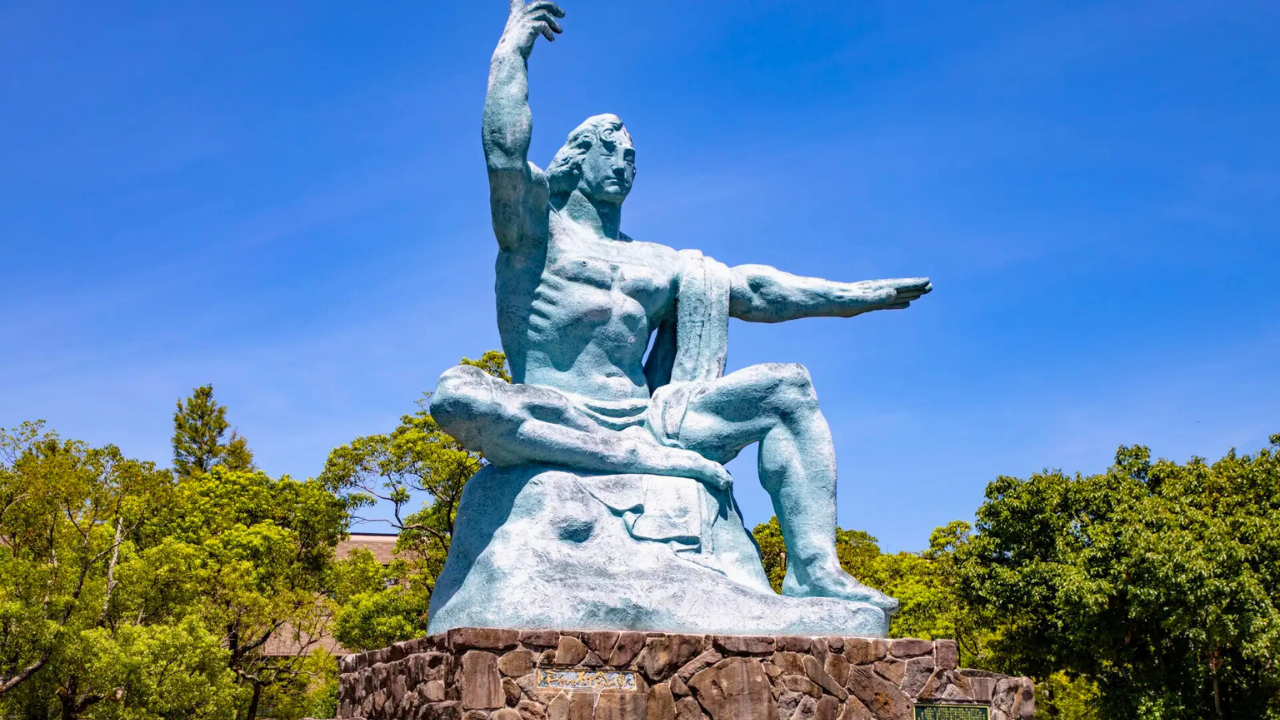
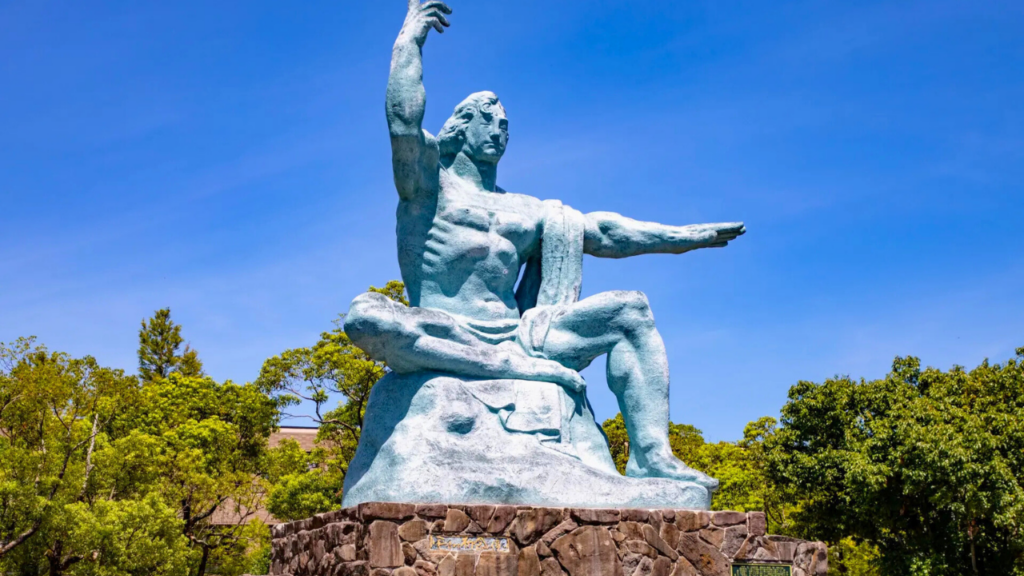
The central Peace Statue raises one hand toward the sky and extends the other horizontally, symbolizing both the threat of nuclear weapons and a wish for peace.
Nearby, the Fountain of Peace commemorates those who suffered from severe thirst after the explosion.
Monuments donated by countries around the world line the park, each expressing support for peace and remembrance.
The park is open 24 hours and free to enter.
Nagasaki Atomic Bomb Museum
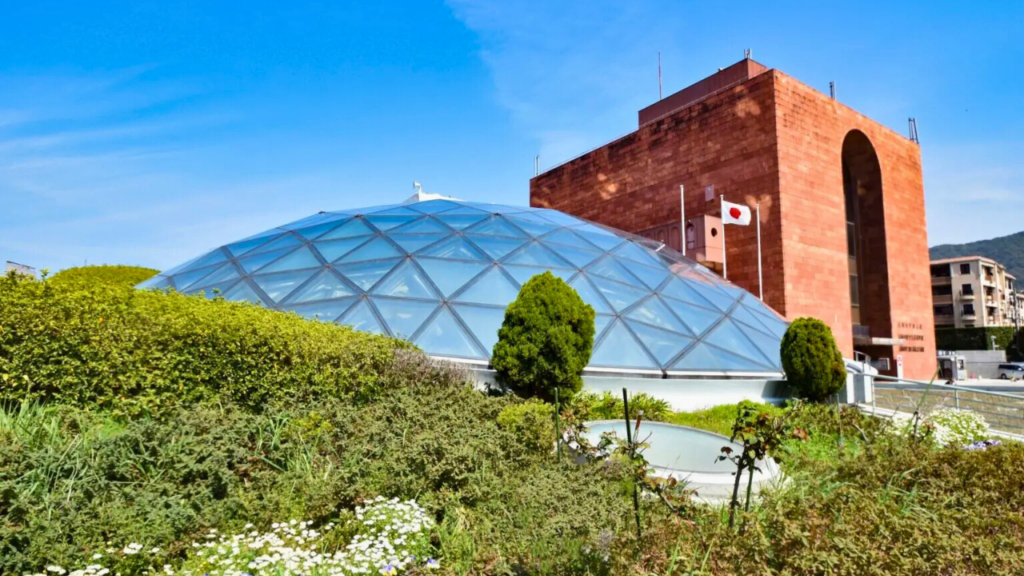
Opened in 1996, the museum documents the bombing and its aftermath through photographs, personal belongings, and survivor testimonies.
The exhibits focus on the human impact — daily life before the bombing, the moment of destruction, and the long-term consequences.
Information is available in English, including captions and audio guides.
Admission
Adults: ¥200
Students: ¥100
Hours: 8:30 AM – 5:30 PM (extended in August)
Closed: December 29–31
How to Get There
By Tram
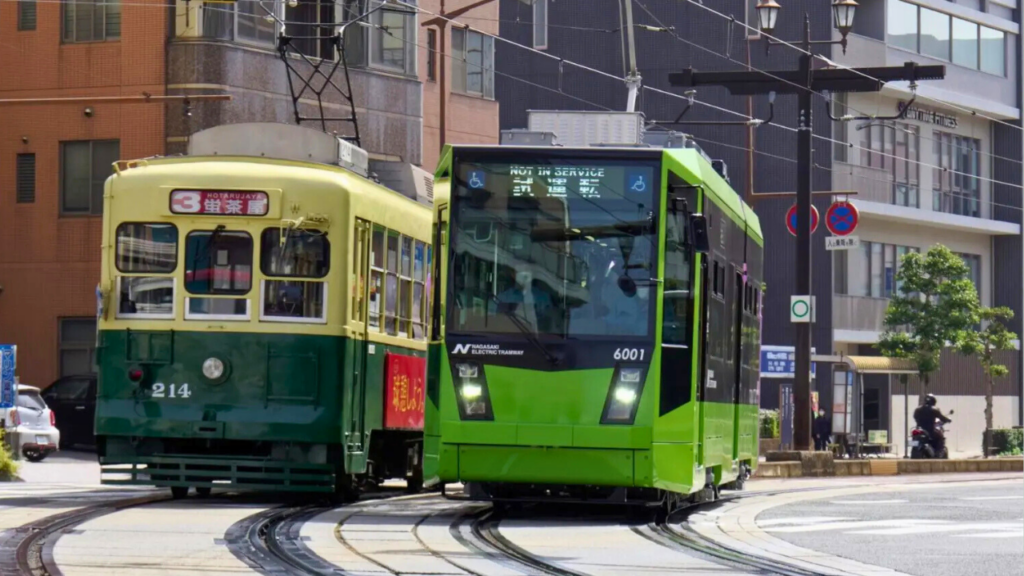
From Nagasaki Station, take Tram Line 1 toward Akasako.
Get off at either “Peace Park” or “Atomic Bomb Museum.”
The ride takes about 15 minutes. Fare: ¥140.
By Bus
Local buses from Nagasaki Station also stop near Peace Park and the museum.
FAQ
Yes. It is open 24/7.
Yes. English captions and audio guides are provided.
Nagasaki had experienced relatively limited damage from earlier air raids and contained major industrial and military facilities, including shipyards and weapons factories.