
Ishikawa Prefecture blends historic districts, refined gardens, and strong food culture. Many visitors base themselves in Kanazawa, where traditional scenery and modern design coexist naturally.
Here are six experiences that capture the character of the region.
Kenrokuen Garden
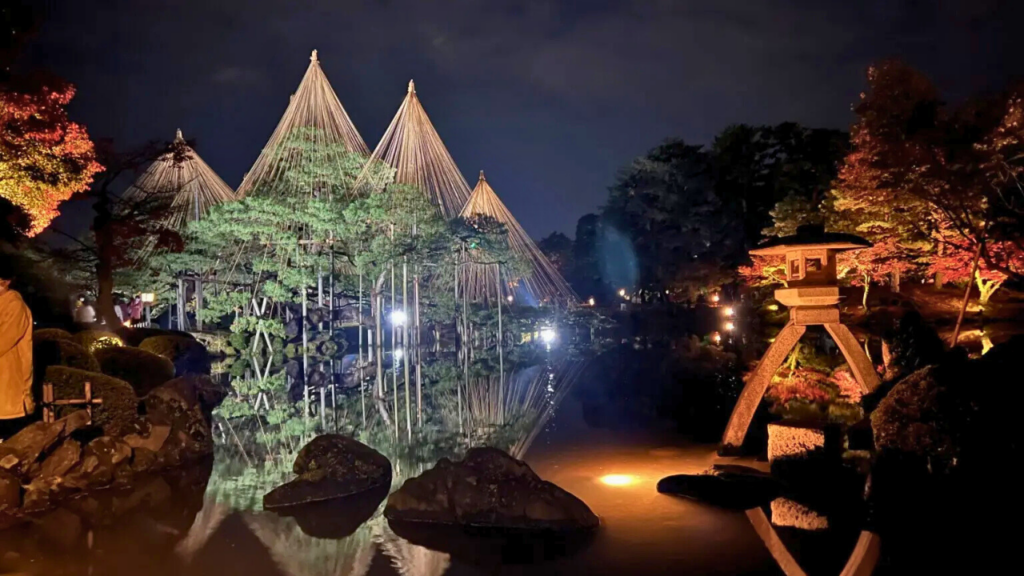
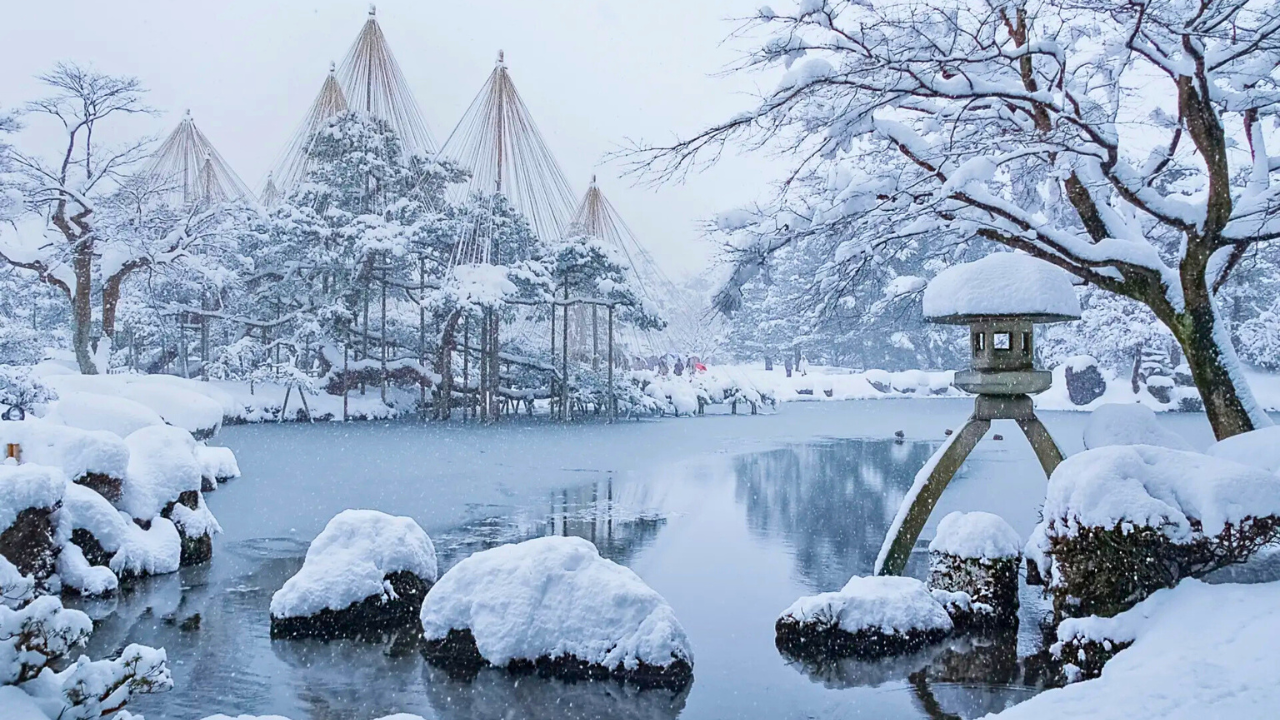
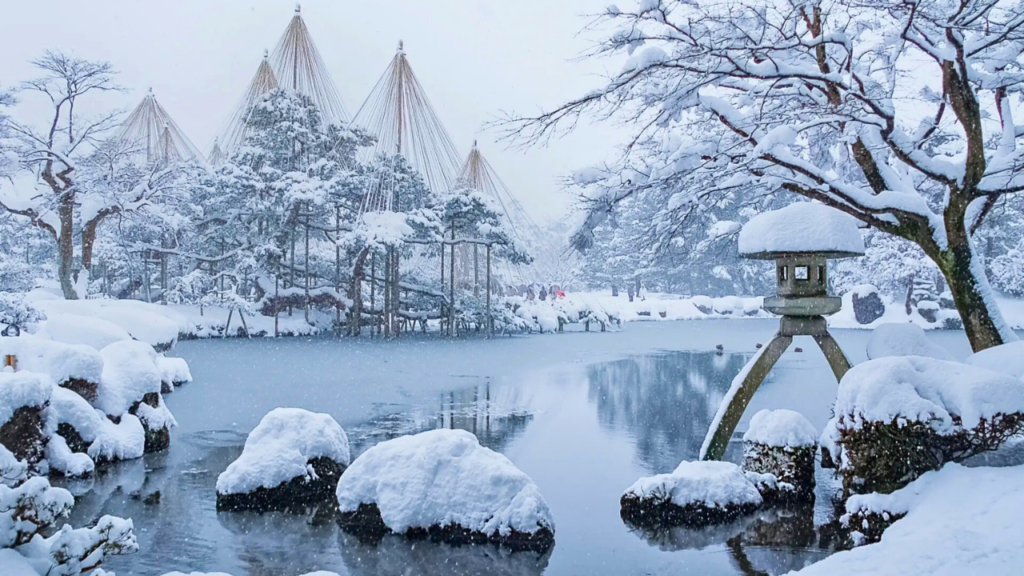
Kenrokuen is widely considered one of Japan’s most celebrated landscape gardens. The layout balances water, open space, and carefully shaped vegetation.
Walking through the grounds feels calm and measured. Seasonal changes dramatically reshape the scenery, from soft cherry blossoms to heavy winter snow supported by yukitsuri ropes.
Higashi Chaya District
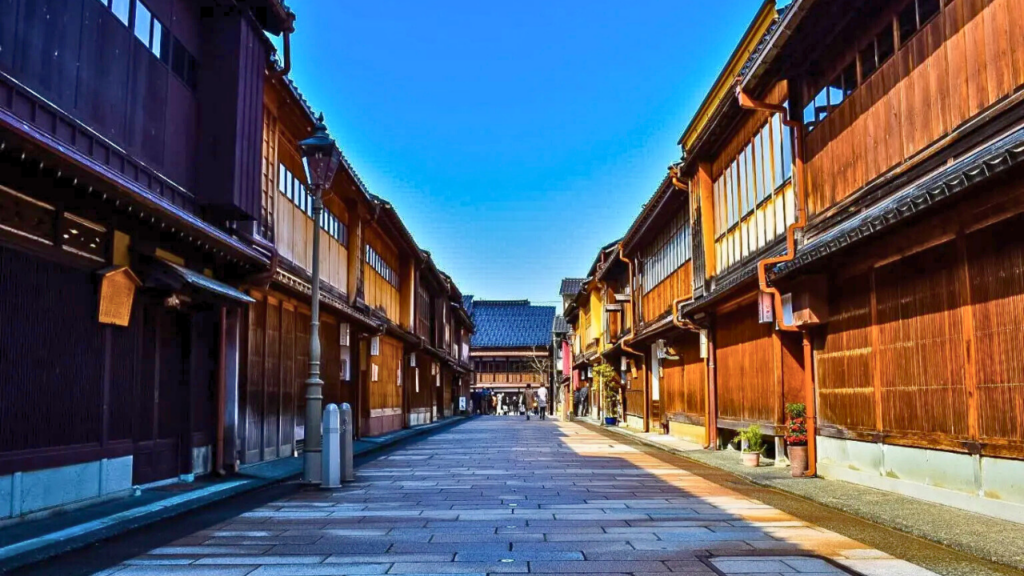
Higashi Chaya District preserves the atmosphere of old Kanazawa. Wooden facades, narrow streets, and traditional teahouses define the visual experience.
The area feels structured yet relaxed. Subtle sounds — footsteps, sliding doors, distant conversations — shape the mood more than large attractions.
Omicho Market

Omicho Market functions as a daily hub rather than a tourist-only site. Vendors sell fresh seafood, produce, and prepared dishes.
The environment feels energetic and sensory-rich. Bright displays, overlapping voices, and the shifting smell of grilled seafood create a constantly changing experience.

21st Century Museum of Contemporary Art

This museum contrasts sharply with Kanazawa’s historic scenery. The circular design and open glass structure emphasize light and movement.
Inside, the atmosphere feels spacious and quiet. Installations often alter perception, encouraging visitors to notice space, reflection, and visual distortion.
▶ Official Website: 21st Century Museum
Nomura Samurai House
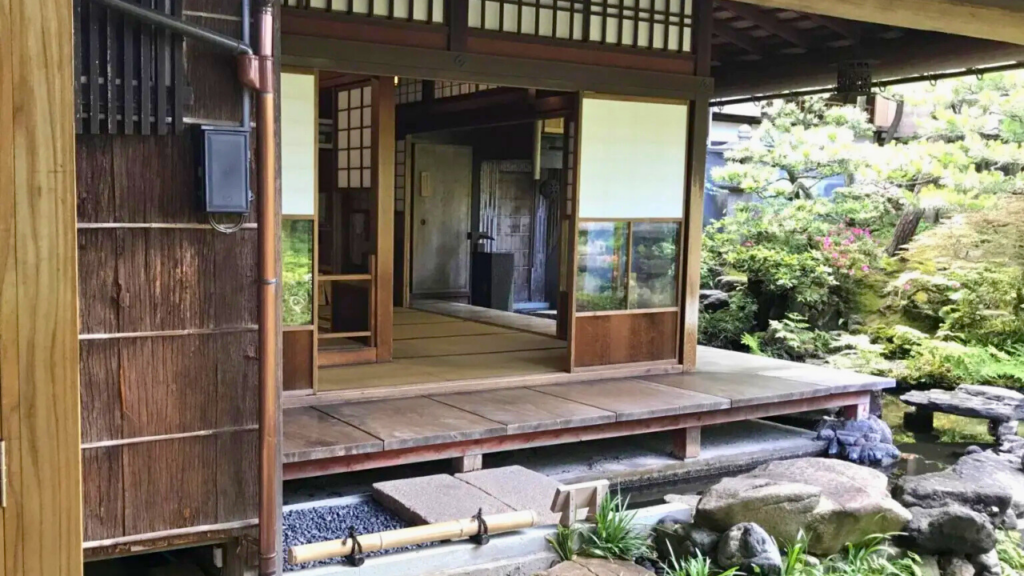
Located in the Nagamachi district, the Nomura Samurai House offers insight into samurai-era living spaces. The preserved architecture highlights simplicity and control.
The interior feels intimate and still. Soft lighting, natural materials, and garden views create a slower, quieter rhythm.
Myoryuji Temple (Ninja Temple)
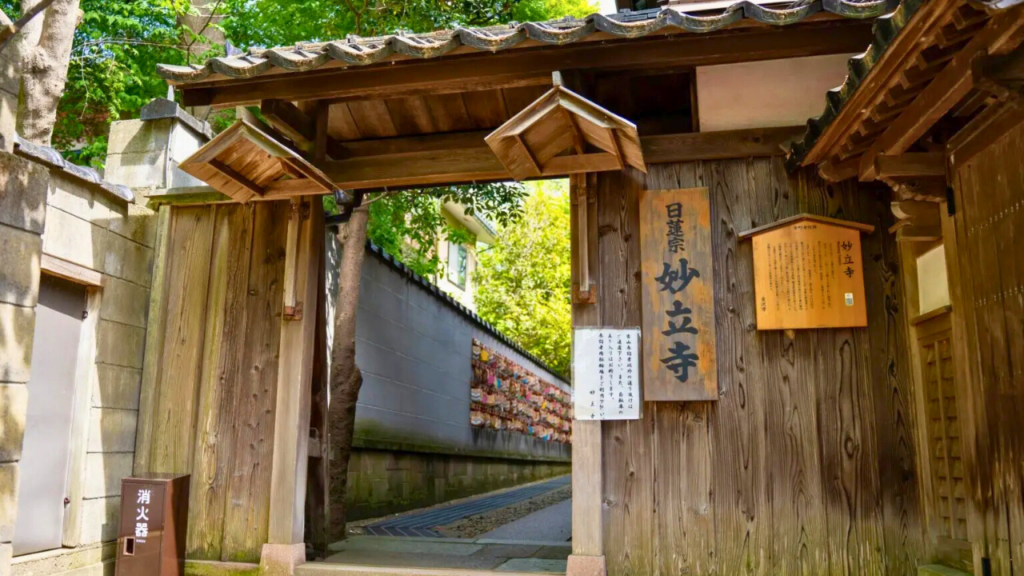
Despite its nickname, Myoryuji Temple is not connected to ninjas. Instead, it features hidden passages, trap mechanisms, and defensive design.
The experience feels unexpectedly dynamic. Narrow corridors, shifting levels, and concealed spaces continuously change spatial awareness.
Understanding Ishikawa’s Appeal
Ishikawa is defined by contrast rather than spectacle. Historic streets coexist with modern architecture. Calm gardens sit near crowded markets. Traditional spaces exist alongside experimental design.
For travelers exploring things to do in Ishikawa, the experience often emerges through movement between environments. The rhythm shifts — quiet to lively, open to enclosed, historic to contemporary.
This variation, rather than any single landmark, defines the region’s lasting impression.