
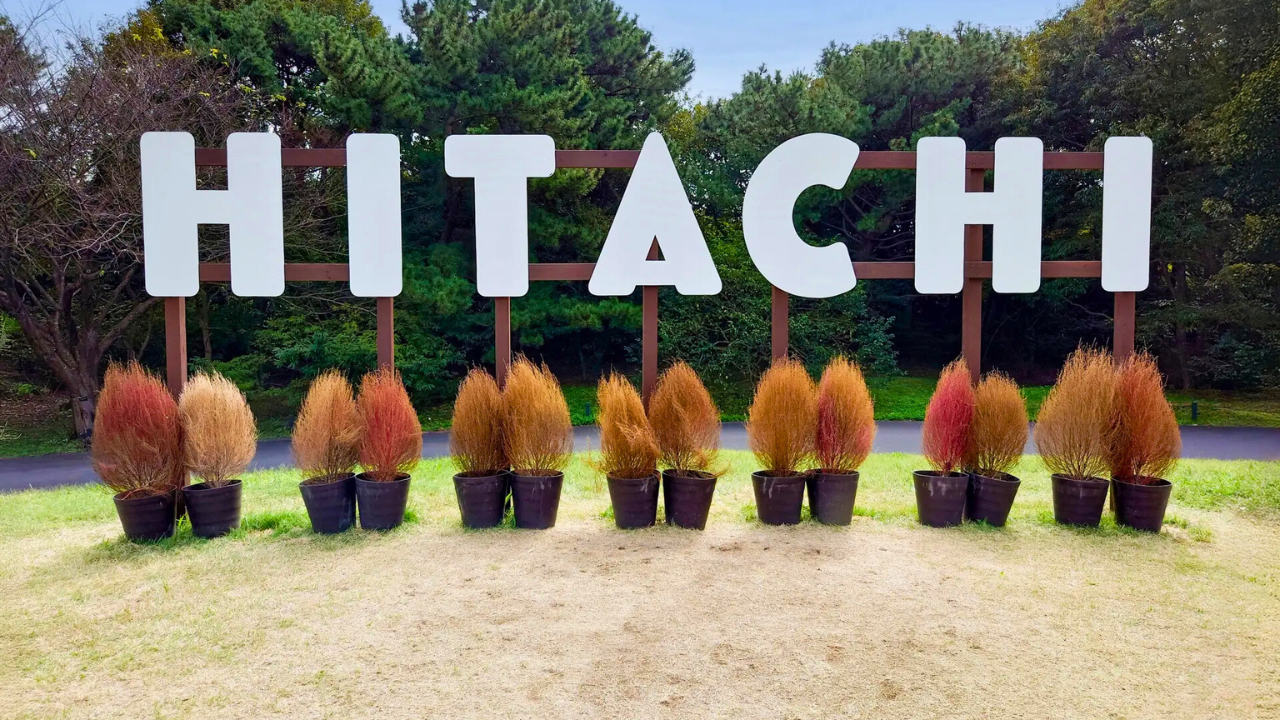
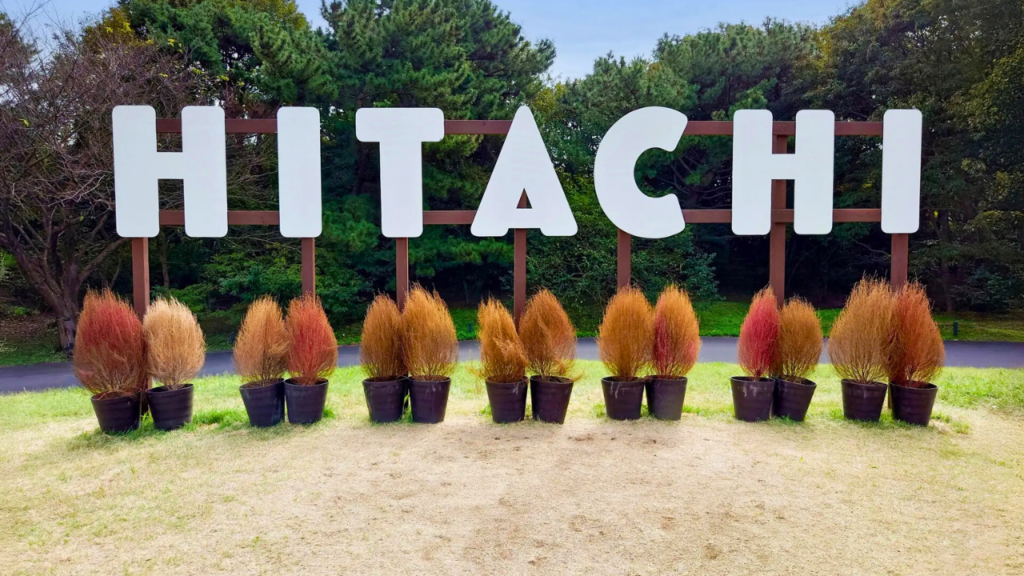
Ibaraki offers wide landscapes, dramatic waterfalls, mountains, and coastal food culture. It feels spacious, relaxed, and very different from nearby Tokyo.
Hitachi Seaside Park
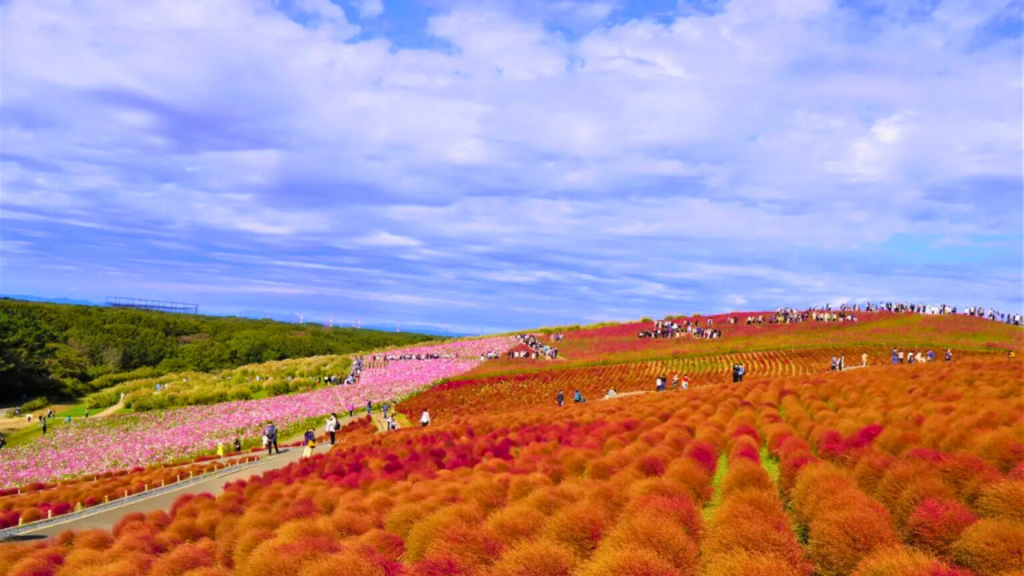
Hitachi Seaside Park is best known for its seasonal scenery.
In spring, nemophila flowers cover the hills in soft blue. In autumn, kochia bushes transform the landscape into vivid red waves. The park’s scale makes everything feel open and expansive.
Cycling paths and walking trails add to the experience.
Fukuroda Falls
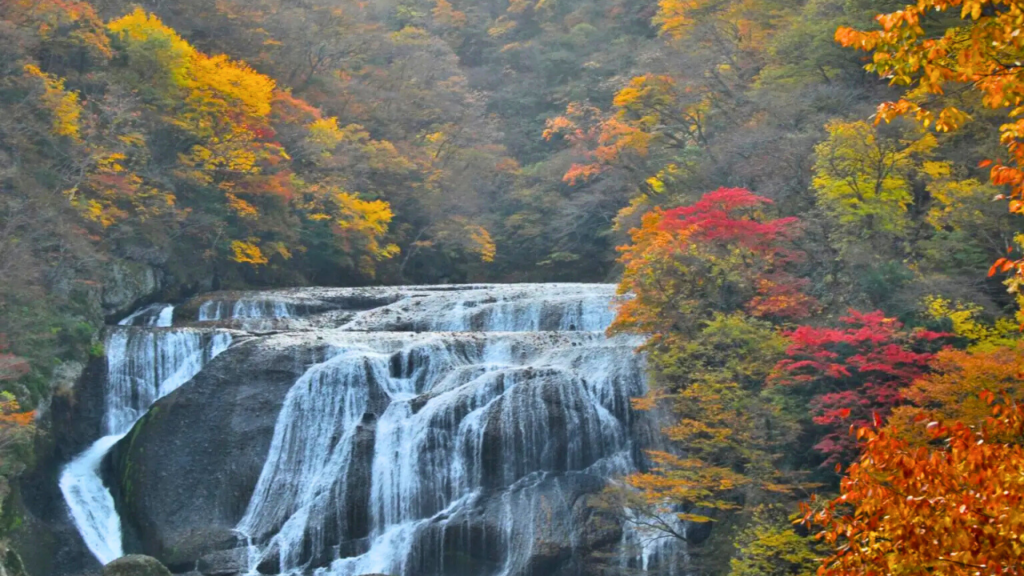
Fukuroda Falls ranks among Japan’s most famous waterfalls.
Water flows down multiple tiers, creating a constantly shifting visual scene. Each season dramatically changes the atmosphere, from lush greenery to frozen winter formations.
The setting feels powerful yet calm.
Mount Tsukuba
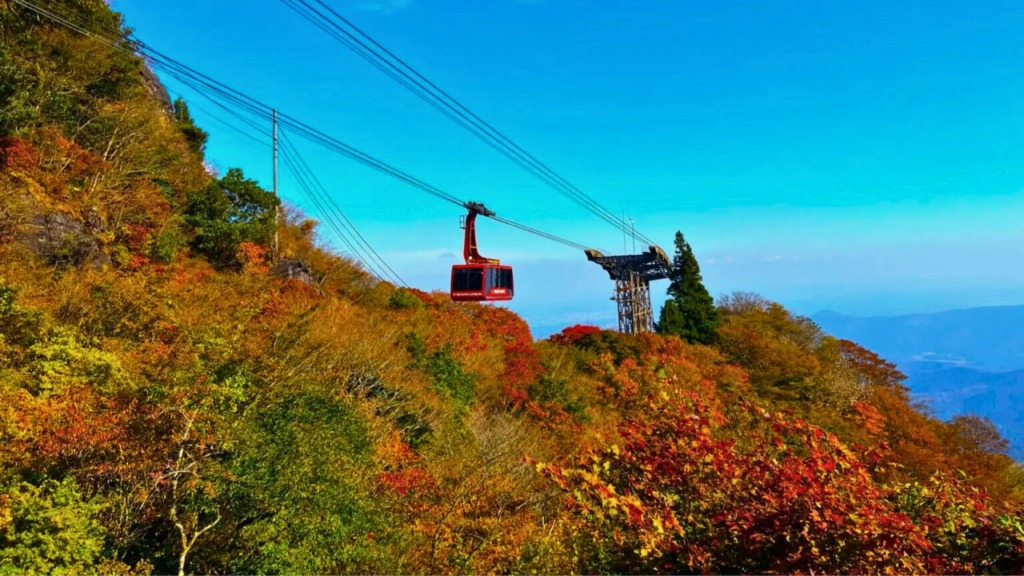
Mount Tsukuba stands out for its distinctive twin peaks.
The mountain offers accessible hiking routes and wide views over the Kanto Plain. Visitors can also use the ropeway or cable car to reach higher elevations.
The balance between nature and accessibility defines the appeal.
Nakaminato Fish Market
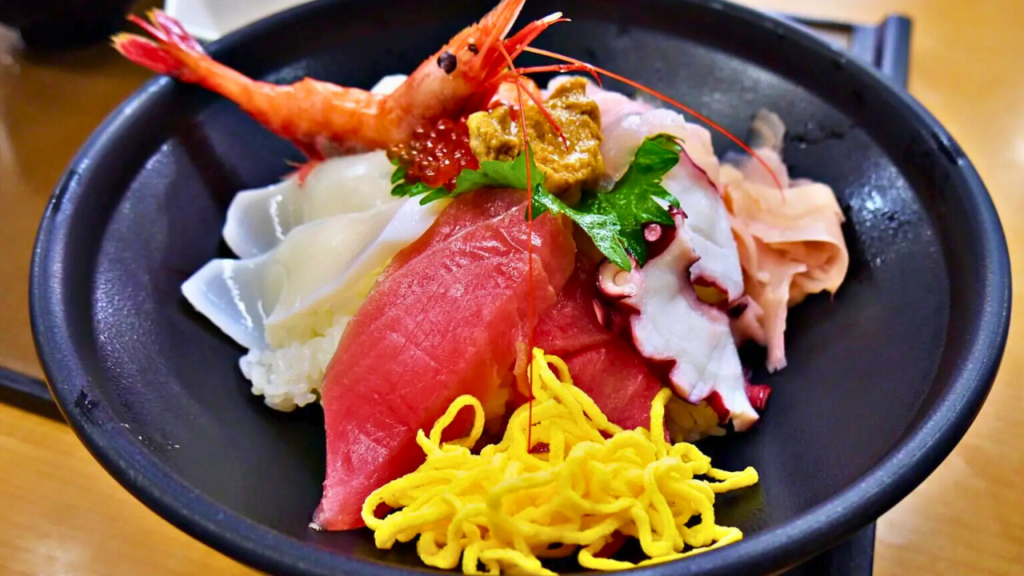
Nakaminato Fish Market highlights Ibaraki’s coastal food culture.
Fresh seafood dominates the experience. The atmosphere feels lively, local, and unpolished in the best way.
It’s less about sightseeing and more about sensory overload.
Aqua World Oarai Aquarium
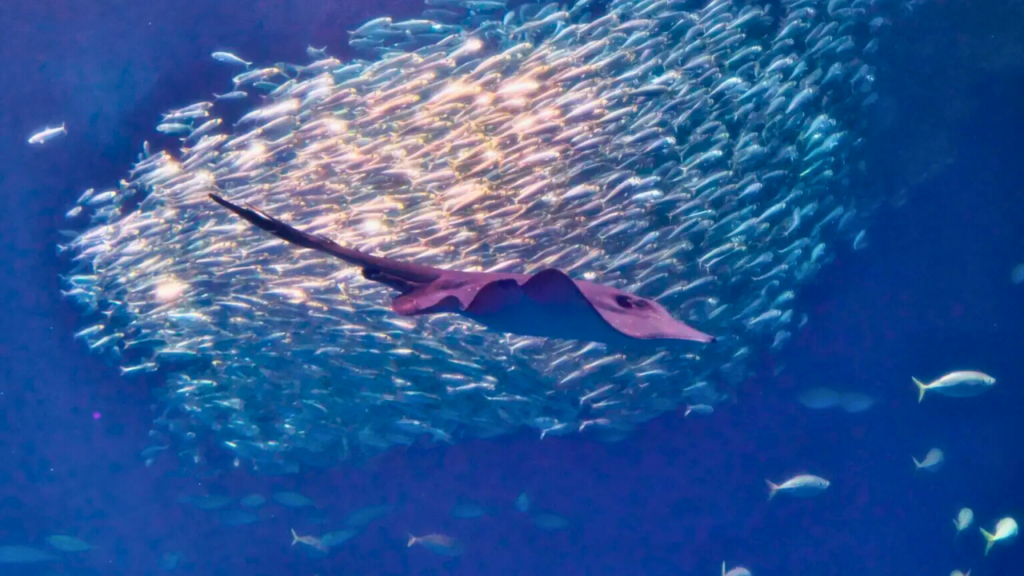
Aqua World Ibaraki Prefecture Oarai Aquarium offers one of the region’s most surprising attractions.
Sharks, jellyfish, and large marine displays create a visually immersive environment. The scale and variety often exceed expectations.
It’s a strong contrast to Ibaraki’s outdoor landscapes.