
Saga offers a blend of historic landmarks, quiet landscapes, and unexpected contrasts. The region feels slower and less crowded, yet visually rich.
Yutoku Inari Shrine
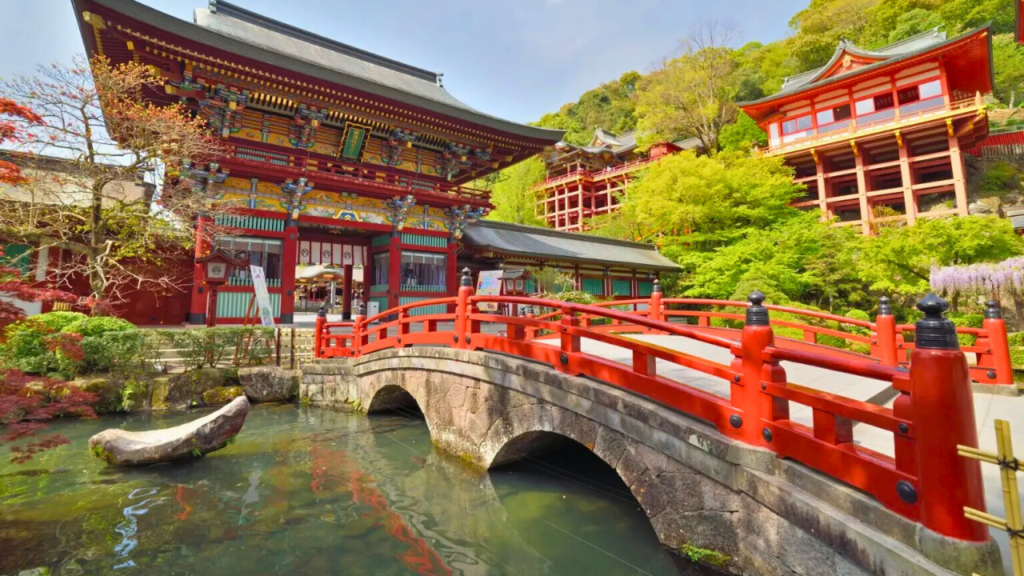
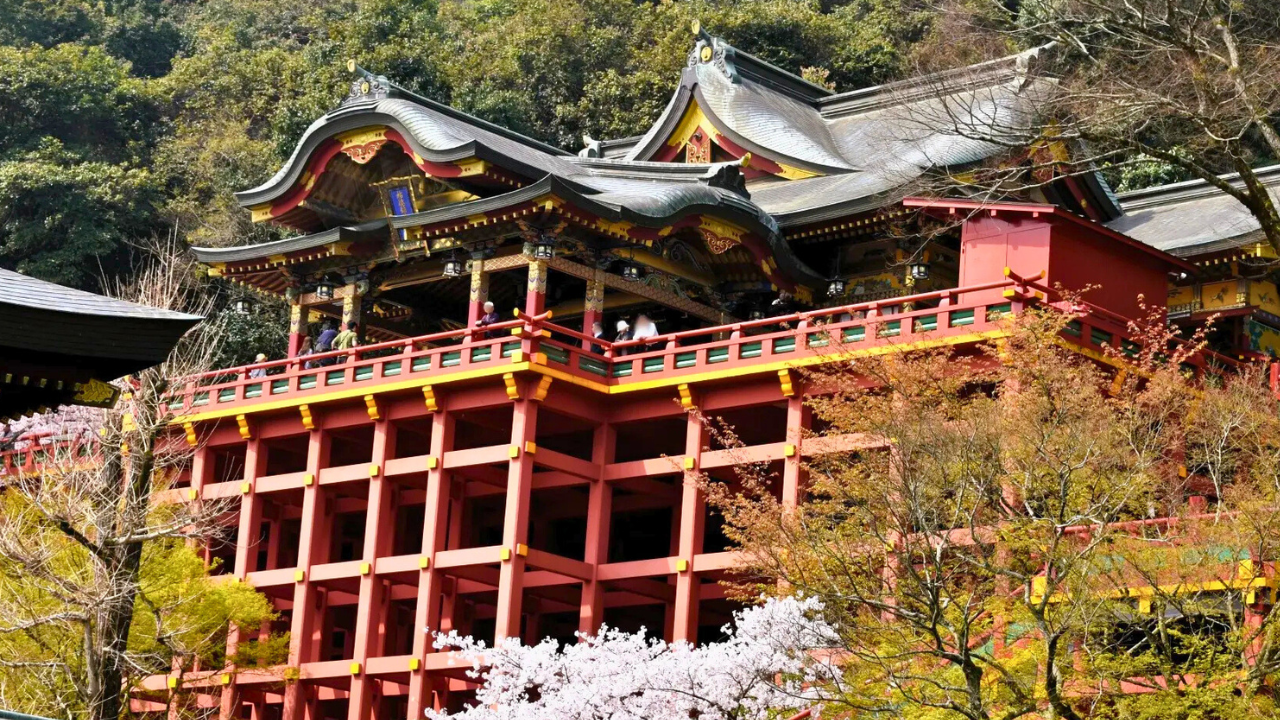
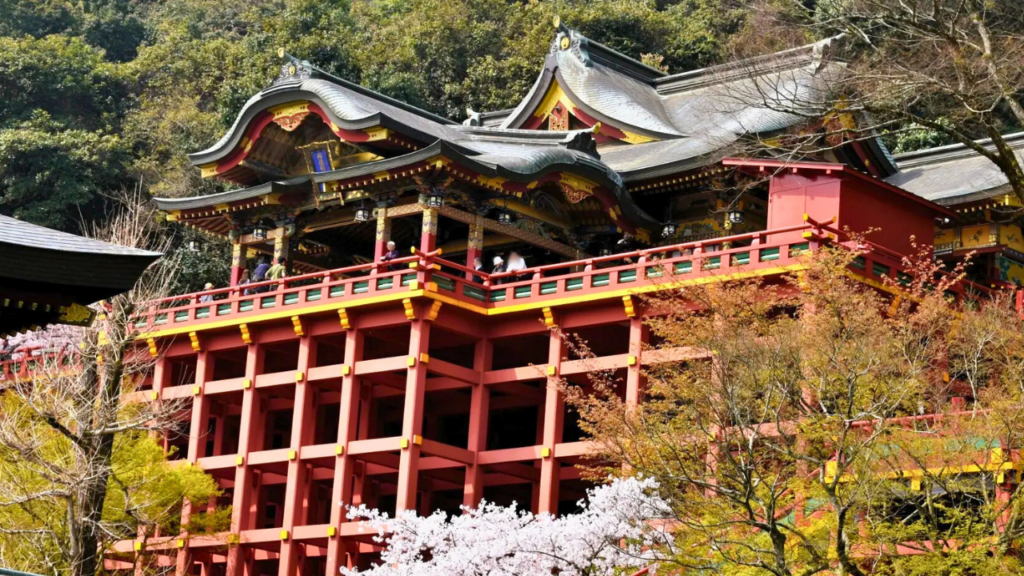
Yutoku Inari Shrine is defined by its striking red architecture rising above the surrounding greenery. The elevated structures create a layered, almost floating appearance.
Climbing through the shrine grounds reveals wide countryside views. The visual impact shifts dramatically with the seasons.
Tosu Premium Outlets
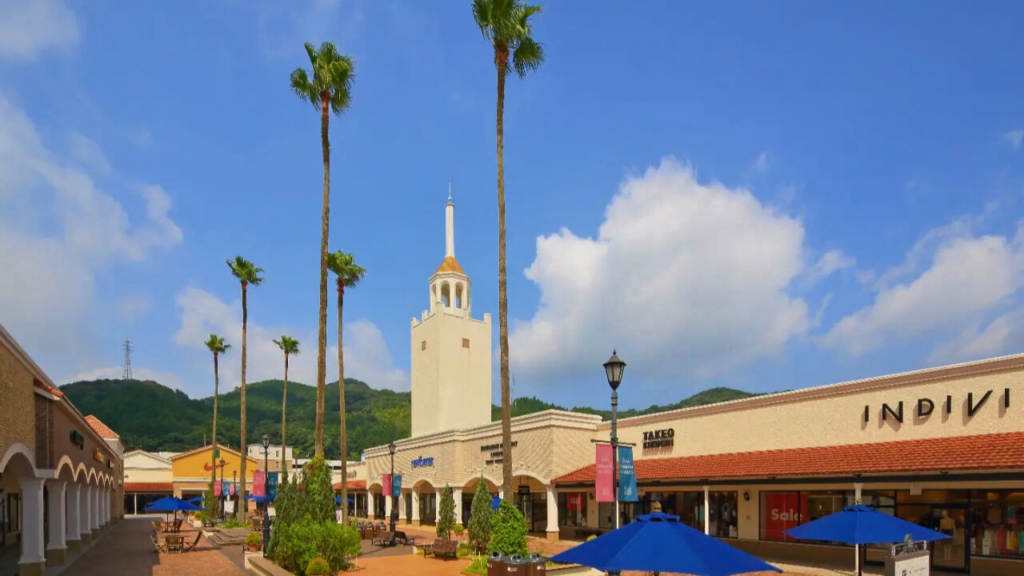
Tosu Premium Outlets introduces a modern, open-air environment that contrasts sharply with Saga’s traditional scenery.
The layout feels spacious and relaxed, making shopping feel less compressed than in major cities.
Karatsu Castle
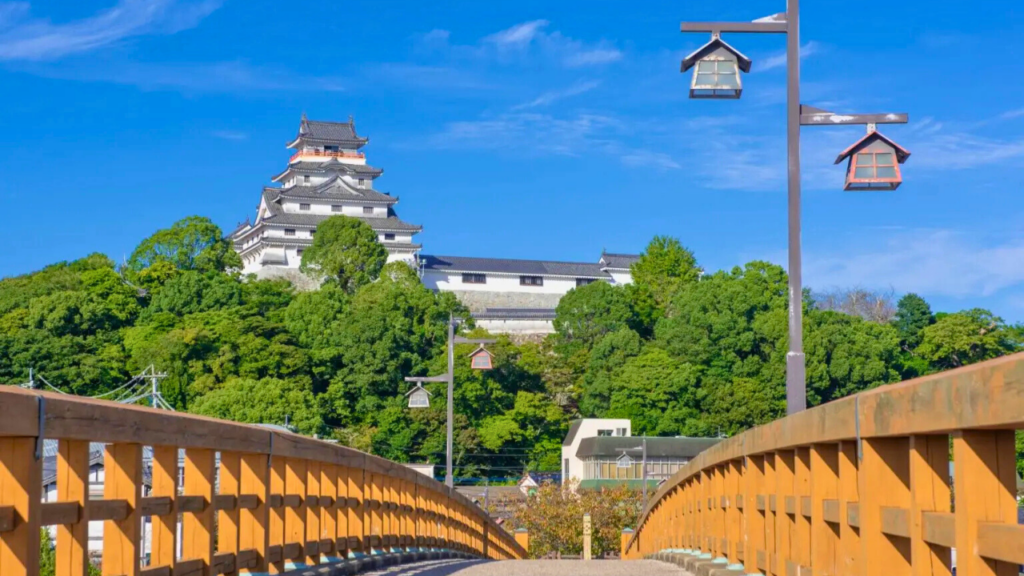
Karatsu Castle overlooks the coastline, where the combination of historic architecture and ocean scenery becomes the main highlight.
The elevated position offers broad views that emphasize the openness of the region.
Mifuneyama Rakuen
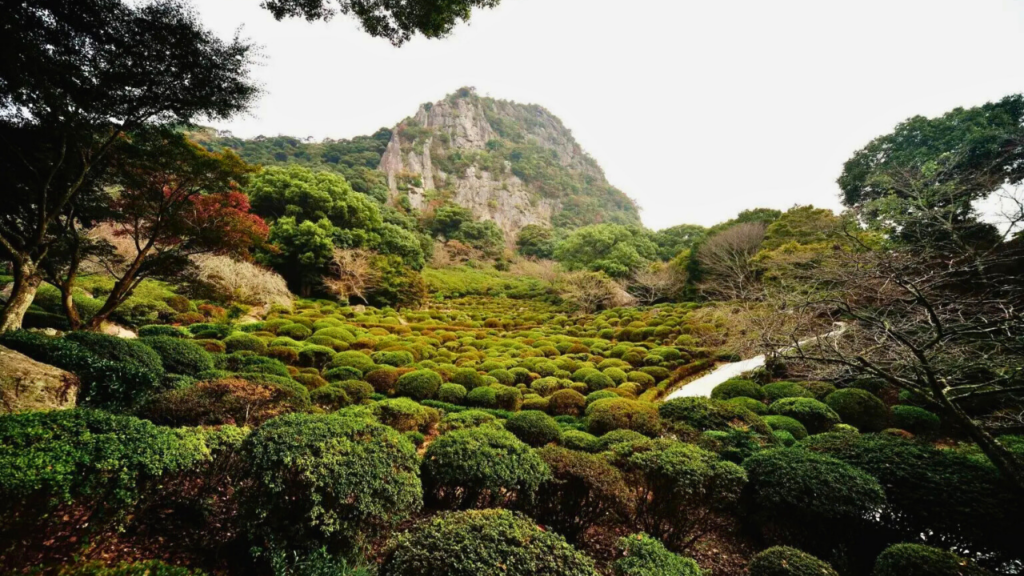
Mifuneyama Rakuen is shaped by seasonal transformation. Flowers, greenery, and autumn foliage constantly redefine the atmosphere.
The space feels expansive and immersive rather than decorative.
Takeo Shrine
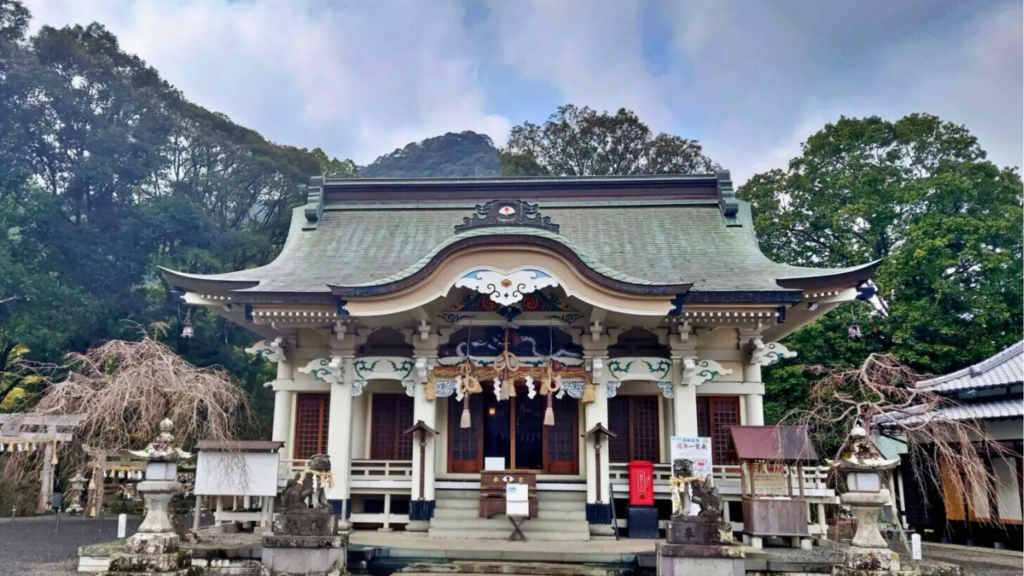
Takeo Shrine is best known for its massive sacred camphor tree. The scale of the tree dominates the experience more than the shrine buildings themselves.
The setting feels quiet, grounded, and deeply atmospheric.
Floating Torii Gate of Ōuo Shrine
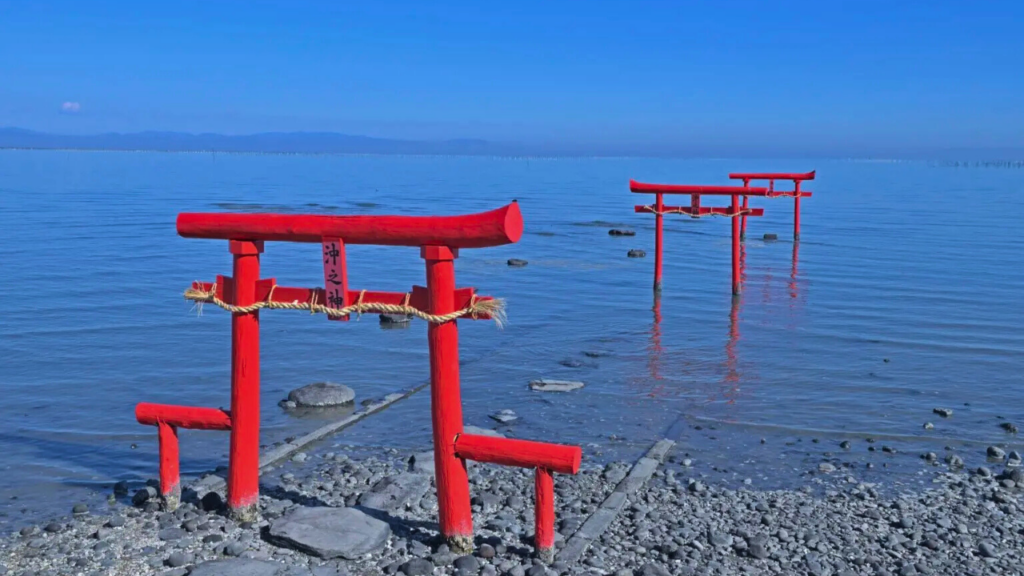
Ōuo Shrine’s torii gate appears to float on the water during high tide. The shifting water level turns the scenery into a constantly changing composition.
Timing becomes part of the experience.
Final Impression
Saga feels defined by contrast. Ancient shrines, coastal castles, modern retail spaces, and vast gardens coexist within a calm, understated landscape.