
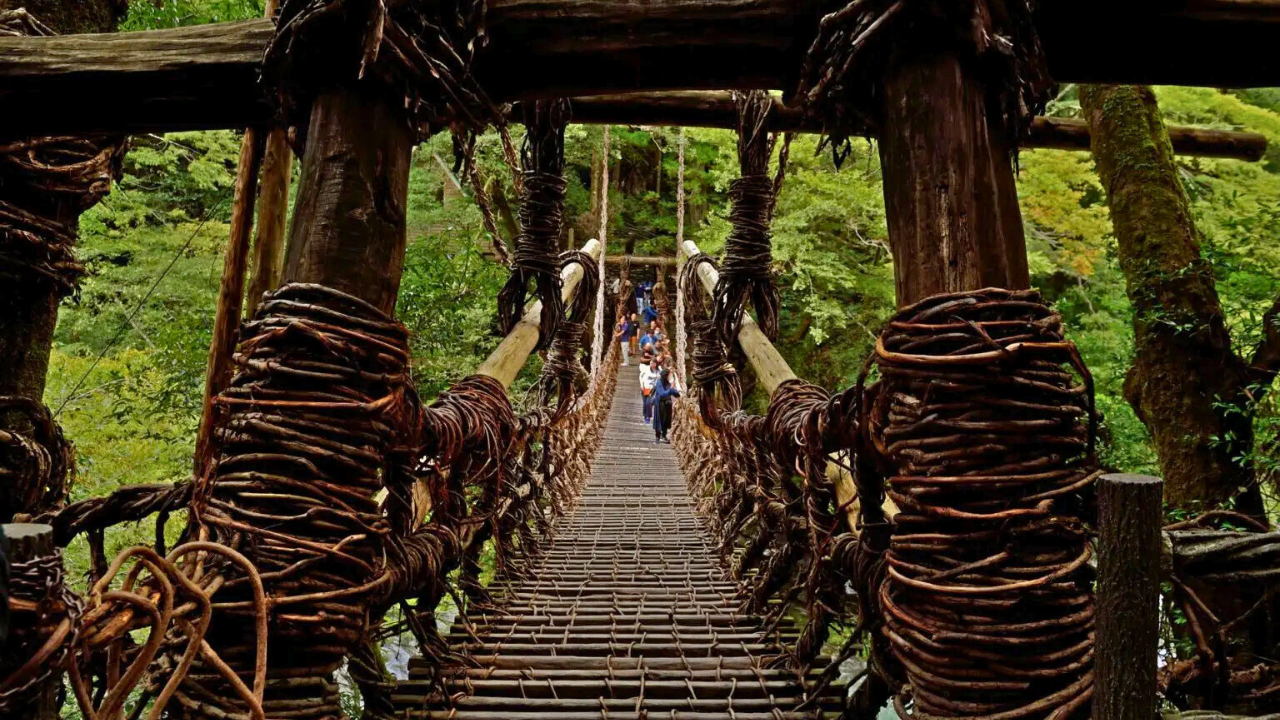
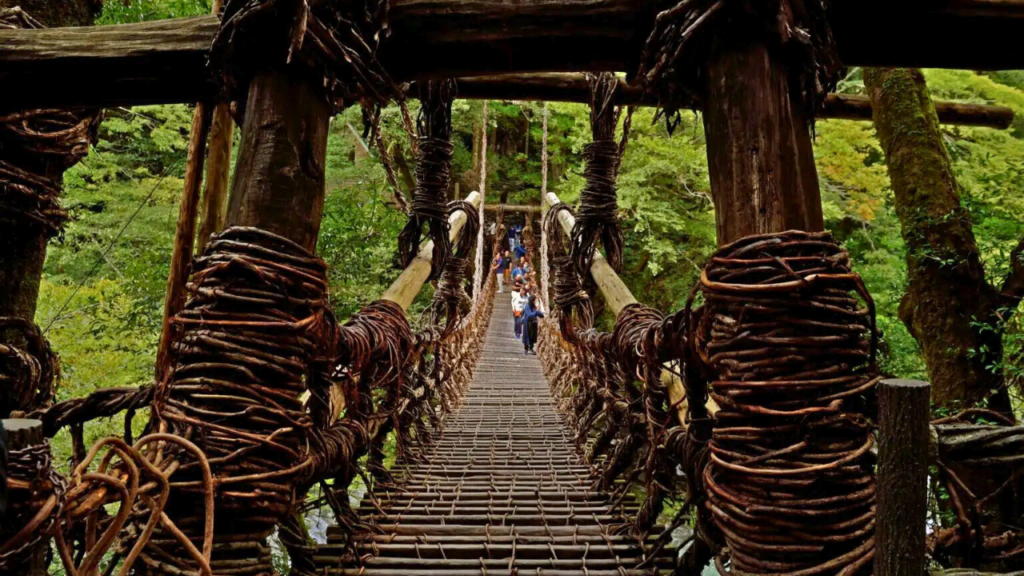
Kazurabashi Bridge is one of Tokushima’s most distinctive landmarks. The suspension bridge uses woven vines, creating a structure that feels closer to nature than typical steel or concrete designs.
Stretching roughly 45 meters across the Iya River, the bridge hangs high above the water, surrounded by steep valley scenery.
Kazurabashi Vine Bridge
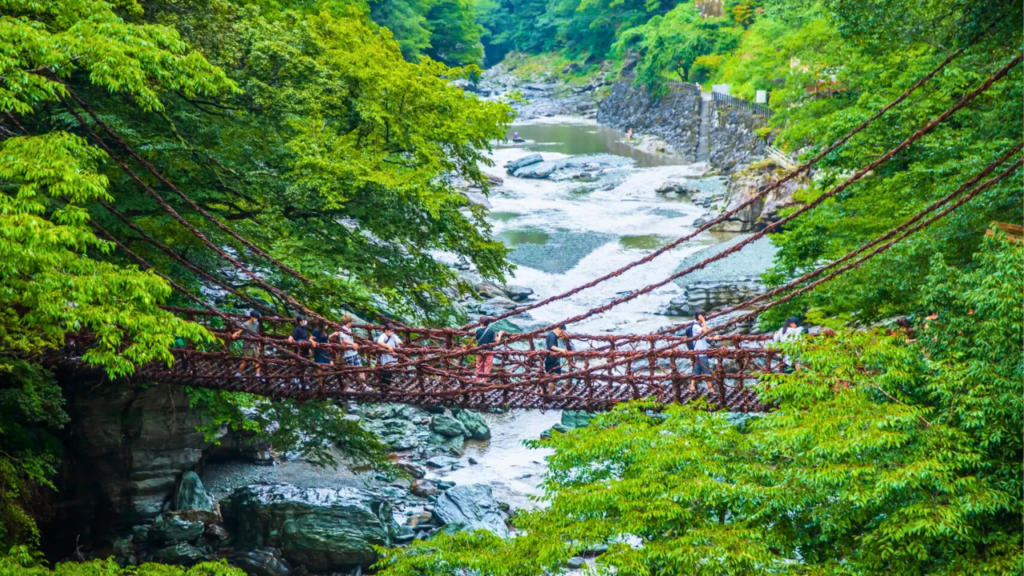
The bridge defines the visit. Wooden slats form the walkway, but wide gaps remain between them. The surface moves gently with each step.
Although modern reinforcements improve safety, the crossing still feels unstable in a deliberate, controlled way. The slight swaying and visible height create a strong sense of exposure.
For many visitors, the experience feels more physical than visual.
Biwa Waterfall
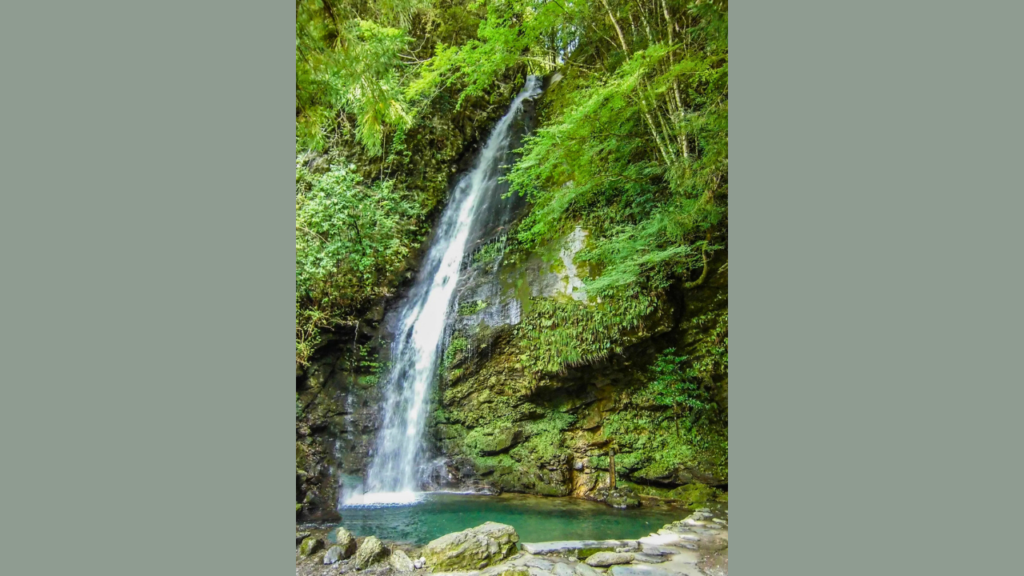
Located near the bridge, Biwa Waterfall offers a sharp contrast to the tension of the crossing.
The setting feels quiet and enclosed. The sound of falling water dominates the space, creating a calmer atmosphere.
Peeing Boy Statue
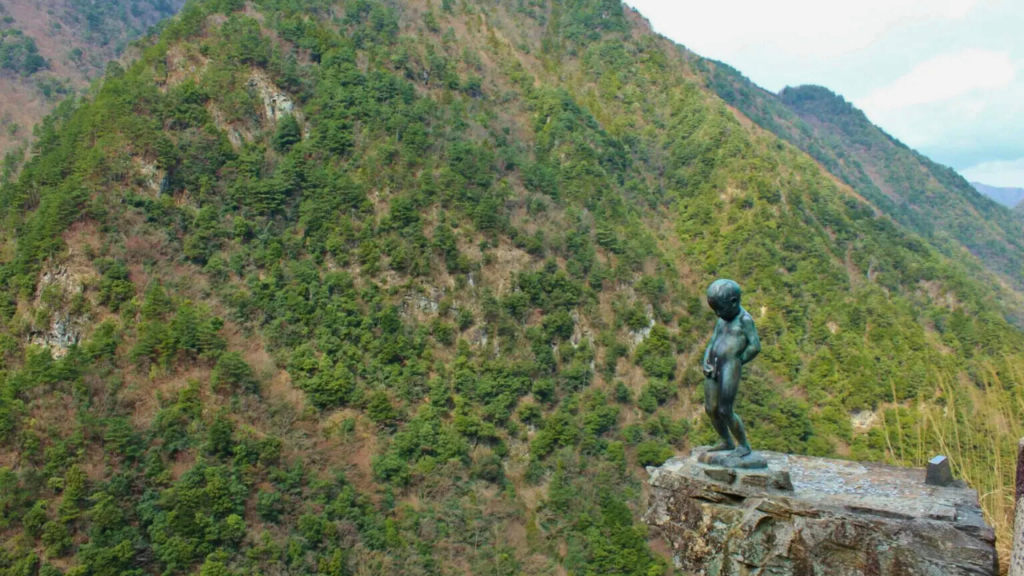
A small statue stands at a dramatic cliffside viewpoint.
The height feels intense, and the river below looks far away.
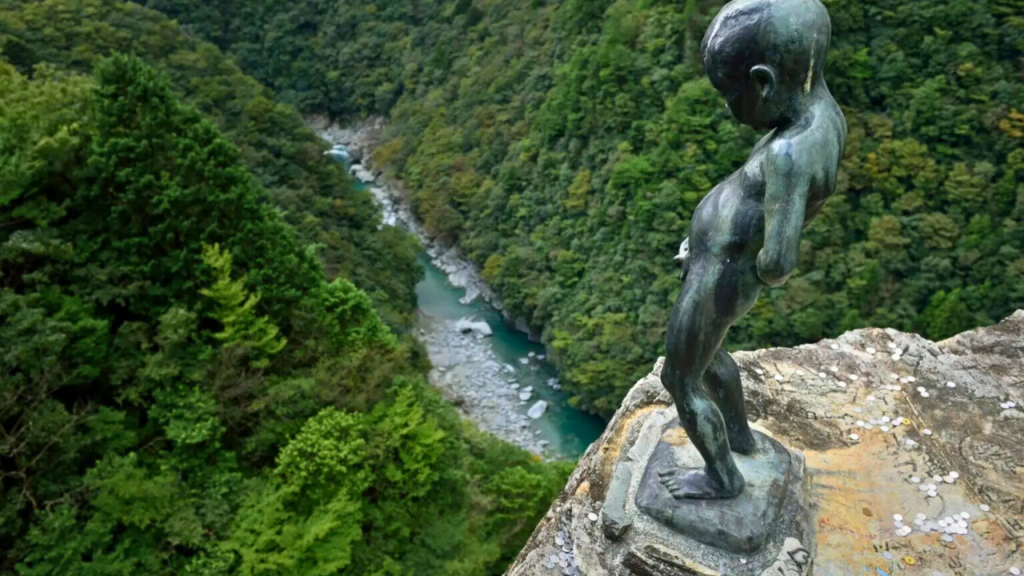
The figure symbolizes courage and has become a popular photo stop.
Admission & Hours
Admission: ¥550
Operating hours vary by season:
Spring / Early Summer: 8:00 – 18:00
Summer Peak: 7:30 – 18:30
Autumn / Winter: 8:00 – 17:00
Access
From JR Oboke Station:
Bus → Iya Kazurabashi
Approx. 25–30 minutes
Public transport remains the most practical route for most travelers.
Nearby Spots
Ochiai Village
A preserved mountain settlement known for traditional hillside homes.
Shin-Iya Onsen
Hot spring facilities integrated into the valley landscape.
Hotel Kazurabashi
An onsen inn near the bridge. The cable car access to the open-air bath stands out as the defining feature.
FAQ
A remote mountainous region in western Tokushima, known for steep terrain and vine bridges.
Yes. Structural reinforcements ensure stability, though the walkway still moves slightly.
Spring greenery and autumn foliage produce the strongest visual impact.
Kazurabashi Bridge functions less as a sightseeing spot and more as a sensory experience. The movement, height, and structure shape the memory as much as the scenery itself.